Platform on window, door, frame technology, hardware, roof and facade technology, security
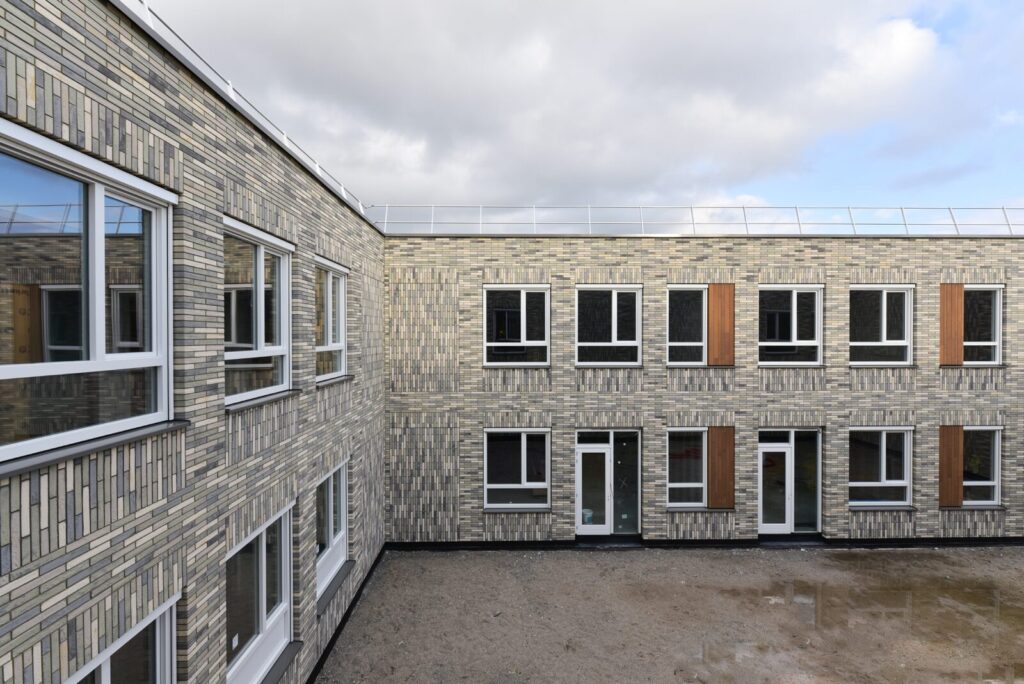
What if, at the end of its useful life, a window frame didn’t mark the end of a material cycle, but rather the beginning of a new one? With Phoenix, Deceuninck demonstrates how plastic window frames can become part of a circular system in which old profiles serve as the raw material for new window and door profiles. It’s no coincidence that the name refers to the mythical bird that rises from its ashes time and time again…
The construction industry faces the challenge of taking a different approach to materials. The focus is no longer solely on performance during the service life, but also on what happens when a building is renovated, transformed, or demolished. This question is becoming increasingly relevant, especially for materials that last for decades. Plastic window frames, which have been used in large numbers since the 1980s, are gradually reaching the end of their initial service life. This not only creates a waste stream but, more importantly, a valuable source of raw materials.
Phoenix was developed with this in mind. Deceuninck’s innovative profile series is manufactured from 100% recycled materials and demonstrates that existing plastic profiles can be reused in high-quality applications. Old windows and doors are collected, sorted, and processed into raw material for new profiles. This creates a closed-loop material cycle in which plastic does not disappear at the end of its life cycle but is given a new purpose in the built environment.
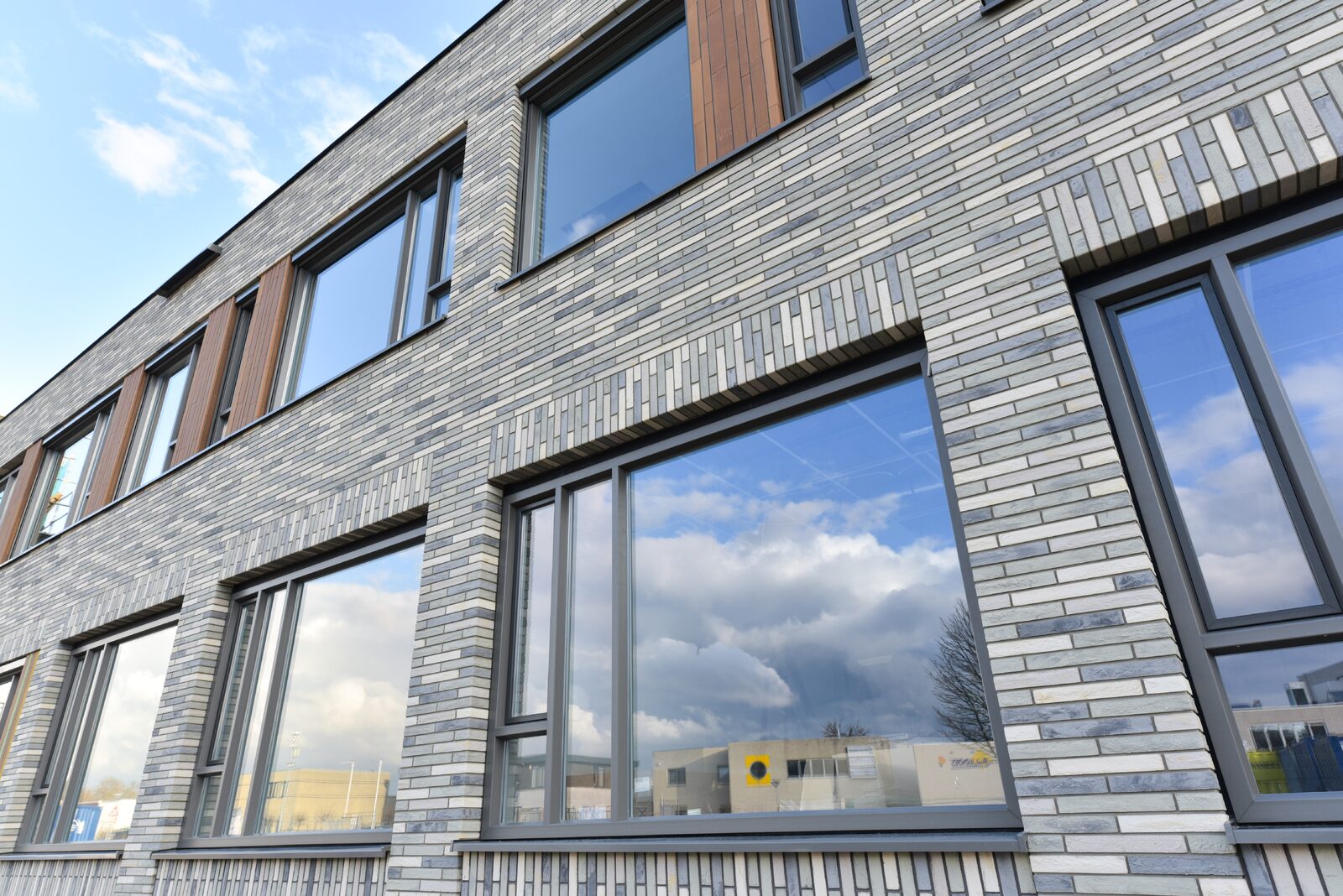
The foundation for this circular approach lies in Deceuninck’s recycling capacity. In 2018, the recycling plant in Diksmuide was expanded with a new, automated recycling line. This quadrupled the capacity to 40,000 metric tons of plastic per year. Both post-industrial and post-consumer materials are processed here into high-quality raw materials for new applications. In 2021, this development resulted in a new range of window and door profiles made from 100% recycled materials.
The potential here is significant. According to Deceuninck, plastic can be recycled multiple times without any loss of quality or performance. The material thus retains its value within the supply chain, provided that its composition and processing are carefully managed. Furthermore, recycling requires significantly less energy than the production of new raw materials: according to Deceuninck, recycling plastic actually requires 90 percent less energy! Thus, circularity addresses not only waste reduction but also the issues of energy and raw materials.
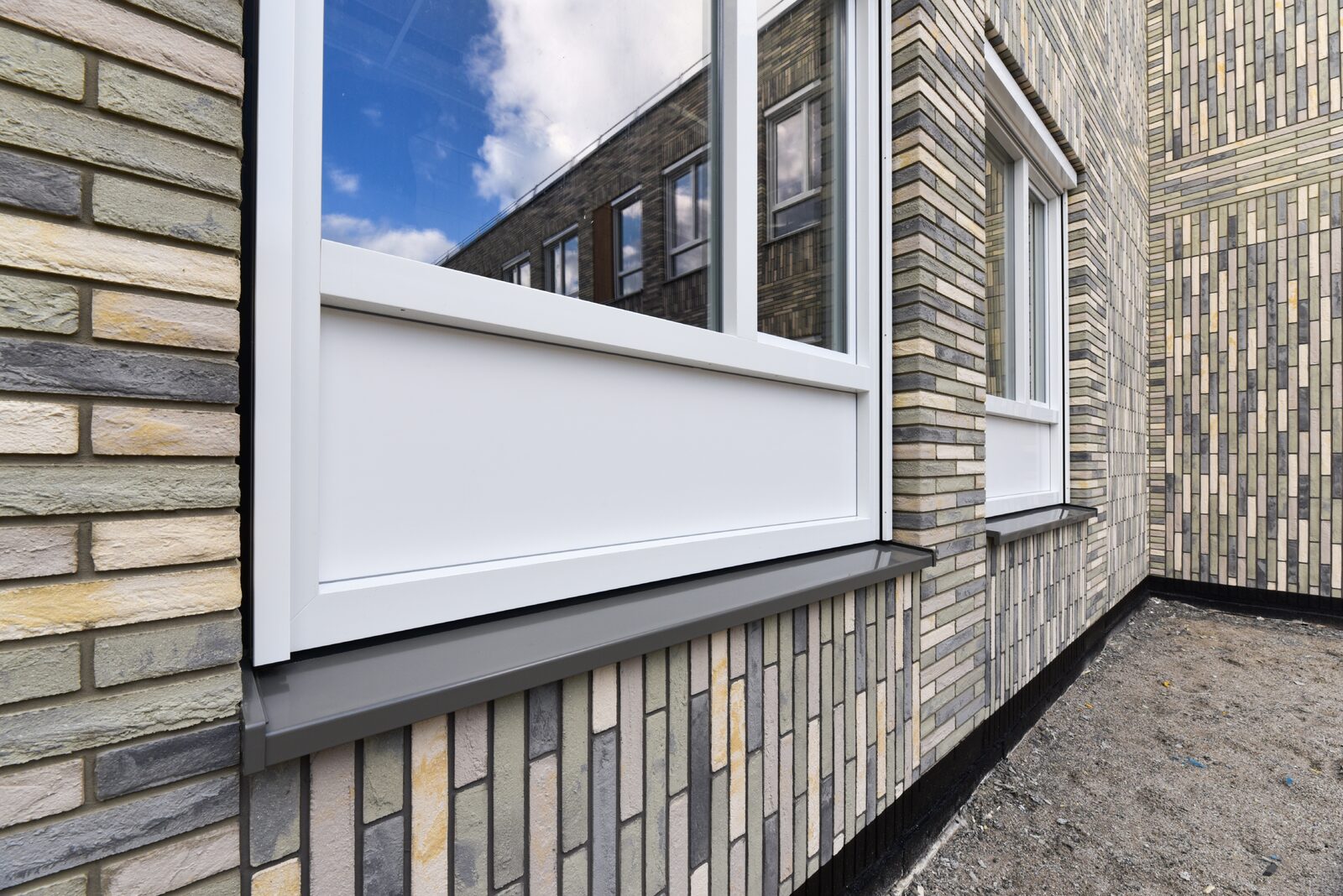
For the built environment, this represents an interesting shift. The existing city can increasingly be viewed as a resource bank. Renovation and demolition projects yield materials that can be reused in new buildings. Deceuninck is therefore setting up collection programs across Europe to retrieve old plastic profiles from the supply chain and recycle them. The goal is to prevent valuable plastics from ending up in landfills or incinerators.
The ambition extends beyond just the profile. Deceuninck aims to close the loop for various material groups released during the dismantling of windows, including plastic profiles and byproducts such as TPEs, metals, and glass. The fully automated recycling line plays a key role in this by accurately sorting materials and making them available again for high-quality applications.
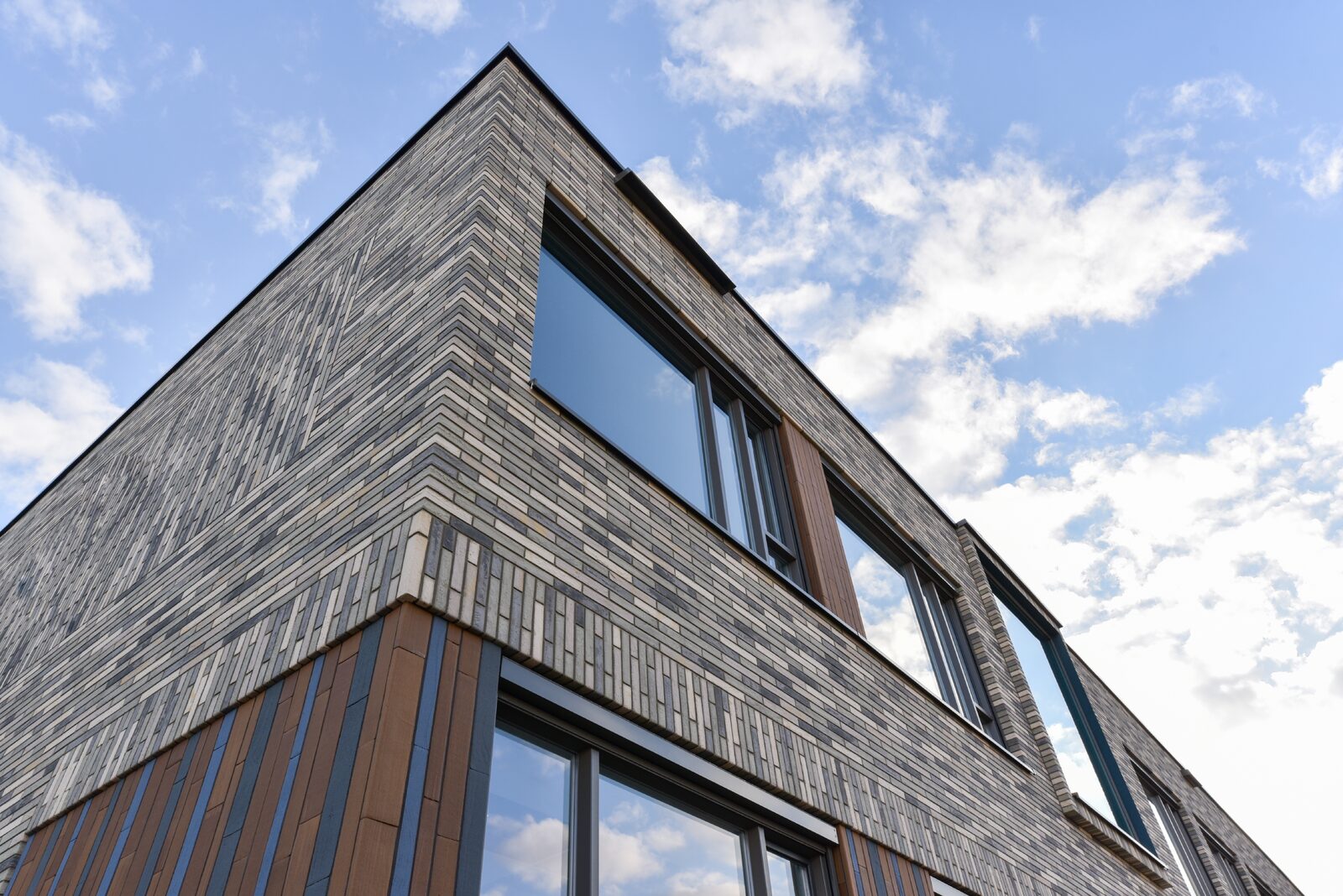
A key principle of Phoenix is that the use of circular materials does not have to conflict with quality, design, or performance. The profiles are selected from the Elegant line and combine a circular material base with the properties required of modern window frame systems, such as excellent dimensional stability, durability, and thermal performance. There is also a wide range of aesthetic options, with more than fifty high-quality film colors.
These circular performance metrics are backed by various certifications. Among other things, Deceuninck holds the VinylPlus product label and, in 2025, became the first company to receive the RecyClass certificate for the use of recycled plastic. The recycling processes in Diksmuide are also certified under the RecyClass Recycling Process Certification, based on the principles of the EN 15343 standard.
With Phoenix, Deceuninck proves that the future of window frames isn’t just about insulation values or design. Perhaps the most significant innovation lies in what happens after the product’s initial lifespan. By treating old plastic window frames as raw materials once again, recycling transforms from an end point into a new beginning. That is precisely where the strength of Phoenix lies: a window frame that does not disappear, but can return again and again.
Neem dan rechtstreeks contact op met Deceuninck.
 Contact opnemen