Platform on window, door, frame technology, hardware, roof and facade technology, security
Ferry Schaap has been successfully applying the expertise he gained in recent years in the field of airtight construction while working for various employers at Celdex since early 2026. As a High-Rise Sales Engineer, he focuses intently on developments in his field on behalf of the Boxtel-based manufacturer of a diverse range of plastic foam sealing products. The central question is how to maintain controllable air and water tightness in prefabricated high-rise buildings.
The principle of airtight construction (carefully sealing joints and gaps in a home or building to prevent unwanted airflow in and out) has evolved in recent years from a point of focus to an absolute prerequisite. At the same time, (prefab) high-rise projects are becoming increasingly complex. “To keep air and driving rain tightness under control amid these developments, Celdex has the expertise and products in place to provide clients with excellent service,” says Schaap. “From start to finish, including delivery and quality assurance.”
According to BENG standards, the airtightness of a single-family home or high-rise building must demonstrably comply with the regulations. This is expressed as the so-called Qv10 value, which is the air permeability of a building at a pressure difference of 10 pascals in dm³/s per m². The rule of thumb is: the lower the number, the better the airtightness. “The airtightness requirements have been significantly tightened in recent years,” Schaap continues. “That has led to growing awareness and greater attention to detail among contractors. You can see that in practice. Currently, many homes are being built with a Qv10 value of 0.4 or lower. This means that airtightness is significantly higher than it was a few years ago.”
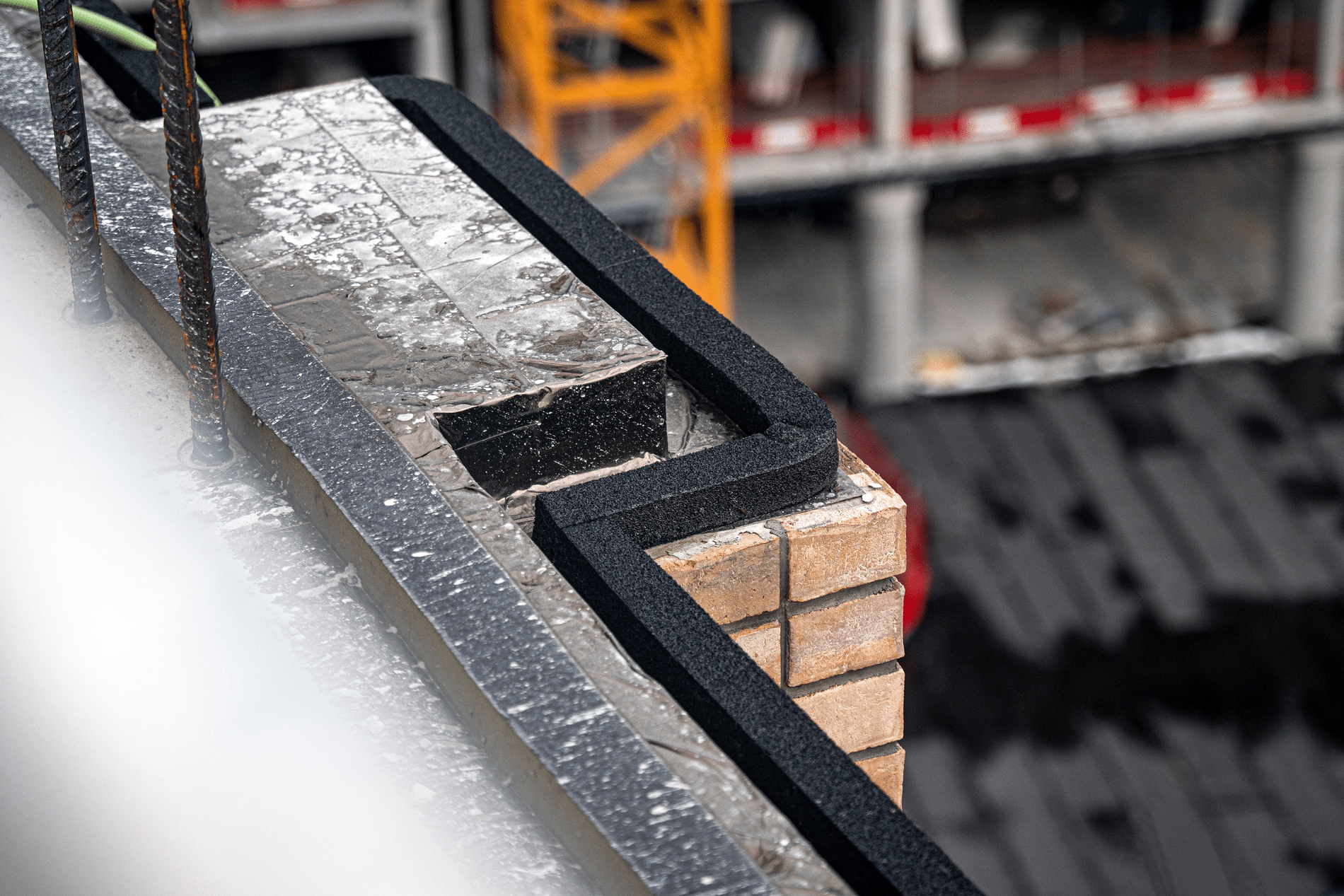
Celdex is contributing to this development with a sealing concept it developed in-house. With Celdex Dichtgarant, the focus is on creating detailed solutions that are guaranteed to be airtight, provided they are implemented correctly. To that end, the company even provides a special resource: the Detail Book for Airtight Construction. Schaap: “Of course, I advise our clients on the right choices, details, and products. Preferably as early as the design phase, so that airtight construction is properly incorporated from the start. We also actively contribute ideas regarding work planning and execution. But the sooner we’re involved, the better we can arrive at a perfectly airtight solution.”
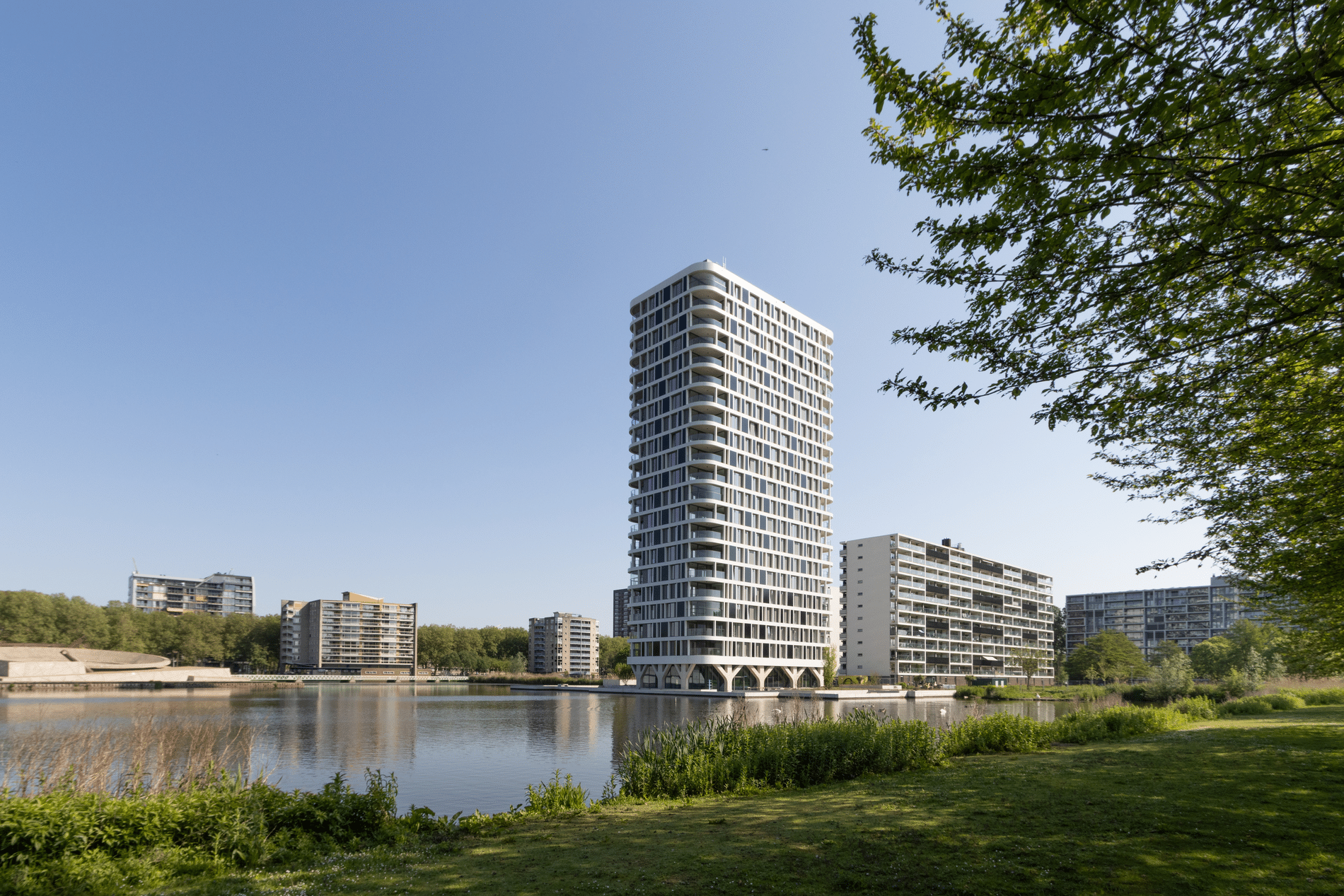
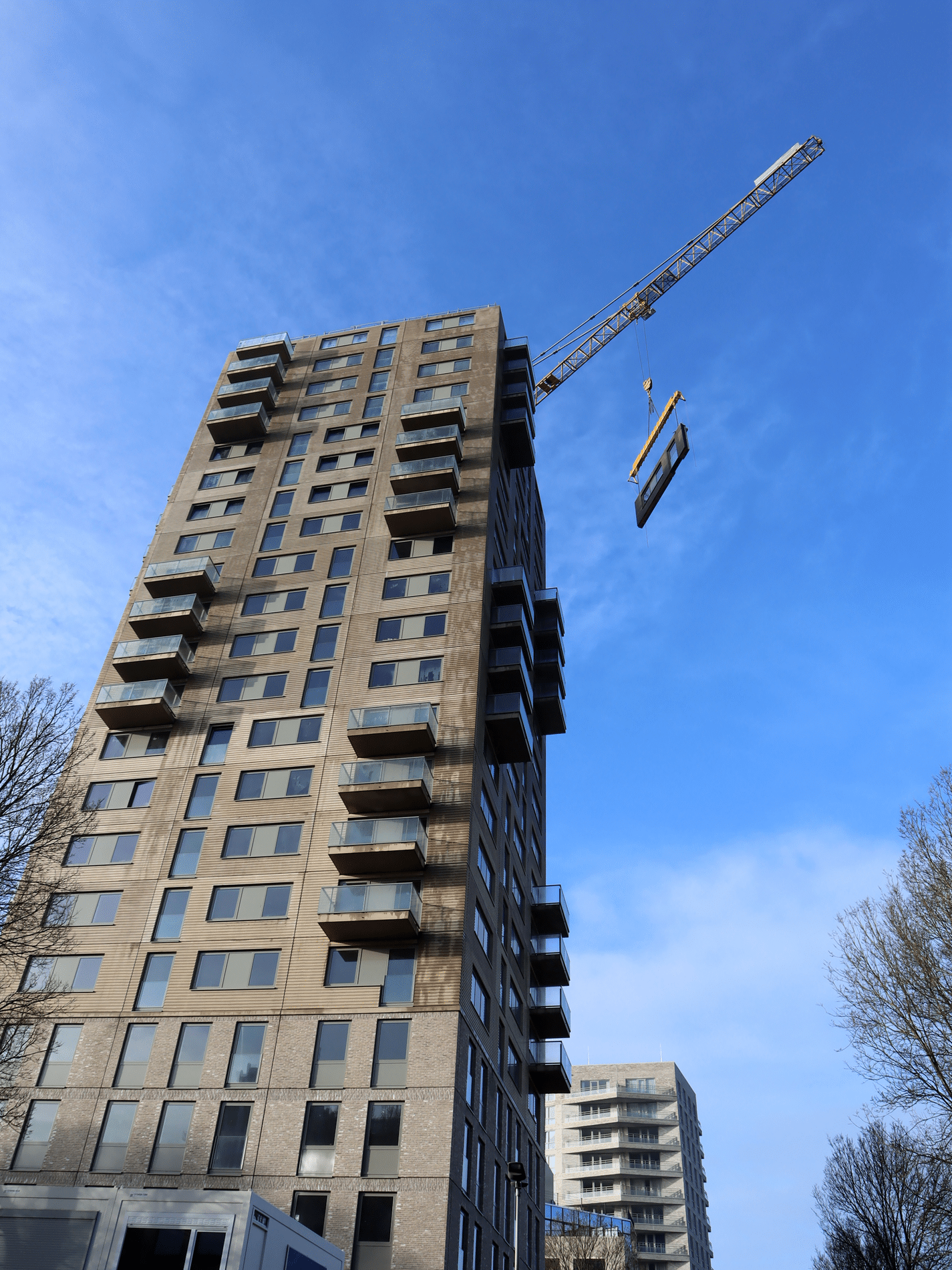
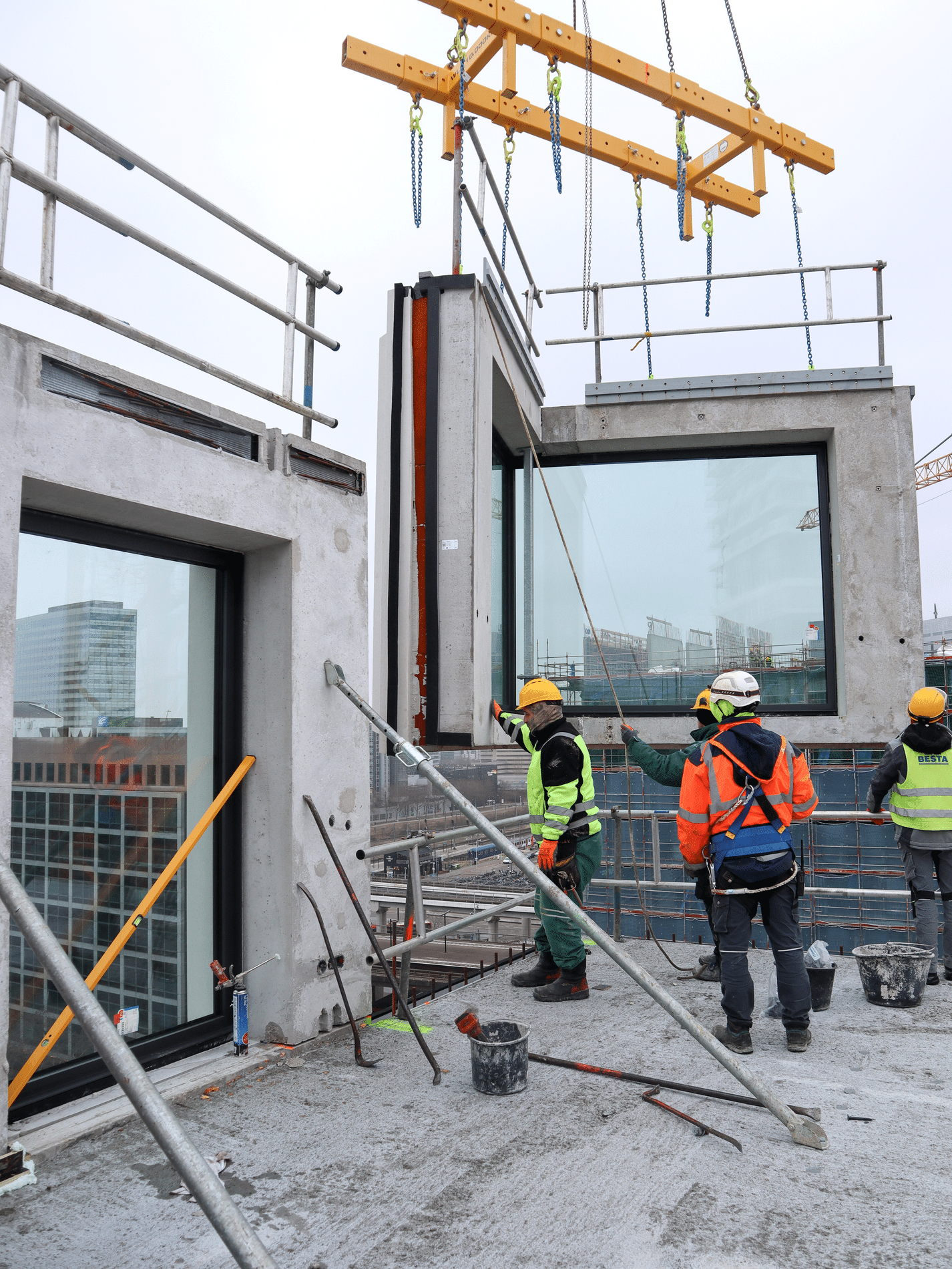
Due to the housing shortage and the scarcity of available land, construction is increasingly moving skyward. This is significantly driving up the demand for smart solutions for air and water tightness in high-rise buildings. With the Seal4Prefab sealing system, designed for so-called scaffold-free construction, Celdex is also responding to this trend in a smart way. “High-rise buildings are often constructed in inner-city locations, where space is frequently limited,” says Schaap.
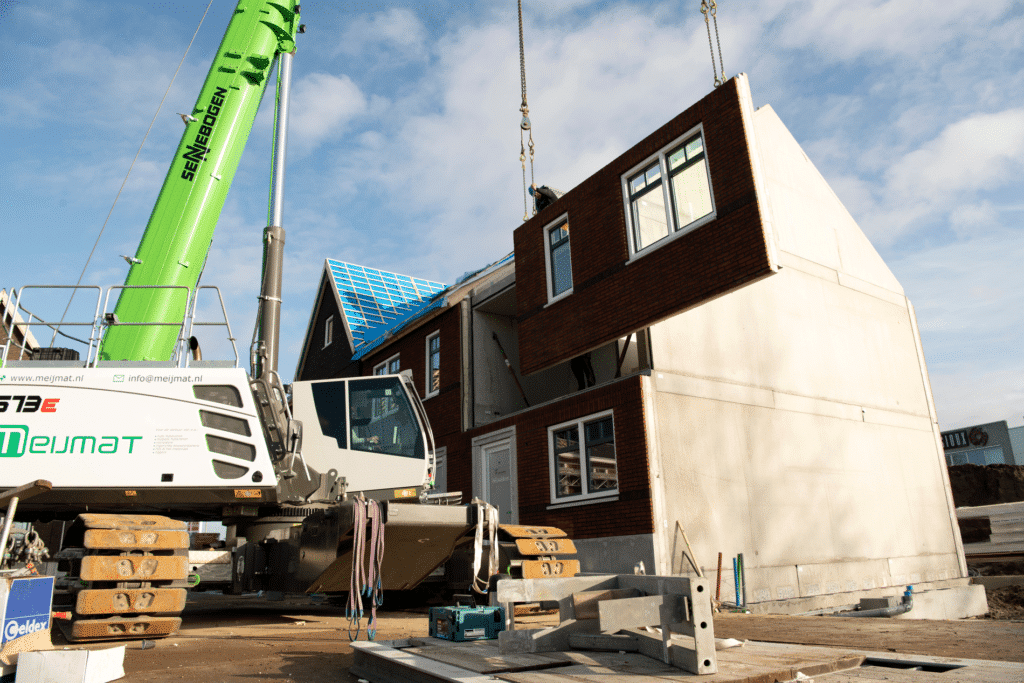
“Scaffold-free construction is an approach that goes hand in hand with the use of prefabricated concrete facade elements or timber-frame construction, or HSB for short. These elements, designed in consultation with the client, can be pre-fitted with a smart water- and airtight finish. The timber-frame builder or installer applies them correctly to the facade elements, and we oversee the entire process to ensure the desired result is achieved. That’s why you’ll regularly see our colleagues at concrete plants and construction sites. They perform the final inspection and handle quality assurance. This aligns well with the requirements of the Quality Assurance Act.”