Platform on window, door, frame technology, hardware, roof and facade technology, security
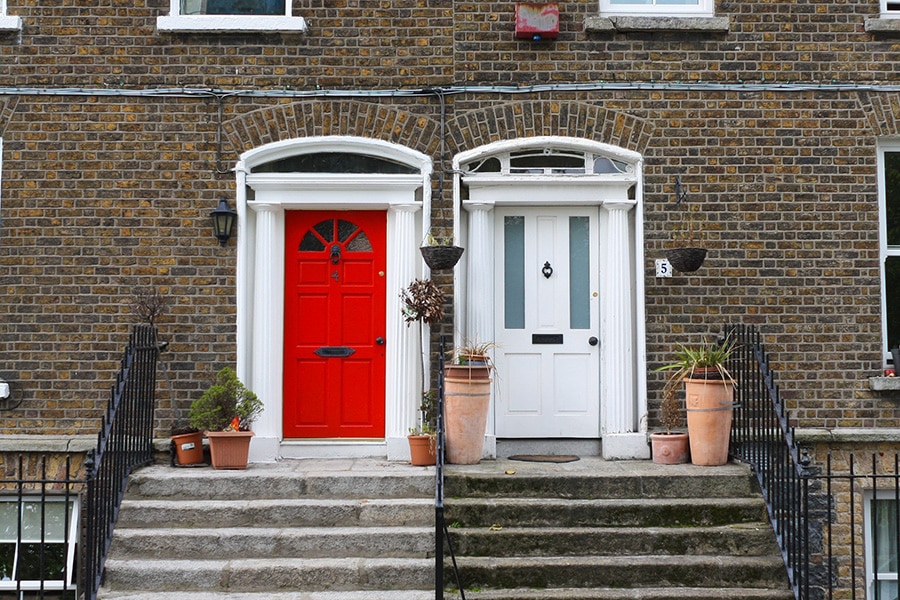
Start with two choices that you’ll notice every day and that you won’t be able to “fix” later: the direction of rotation and the door jamb. If those are right, the door will work just fine: it swings freely, closes without any trouble, and the bottom fits neatly. If you look at a custom-made wooden front door, then start with this. That way, customization is primarily practical—not just something that looks good on paper.
Determine the direction of rotation based on your specific situation: choose based on the side from which you use the door. After that, it’s simple and easy to verify: hinges on the left mean the door opens to the left; hinges on the right mean the door opens to the right. This way, you’ll avoid relying on a diagram only to discover later that the door opens the wrong way.
Think especially about your walking route and times when your hands are full. Run through it in your head: where will you be when you walk in, where will you turn, and where will you need space for your bag, stroller, or just your elbow?
If the door opens inward, check the clear swing radius in your entryway. The door shouldn’t hit any fixed objects, such as a coat rack, a closet, or a staircase. It’s not just a matter of “does it fit?” but also: Will the passageway remain comfortable when you step inside quickly or when someone is standing behind you?
When the door opens outward, take a look outside: is there a step, an awning, or a narrow sidewalk? And how does it feel to close the door when it’s windy or raining? These are the kinds of details you only notice in everyday use, so be sure to consider them now.
The threshold directly determines your entry height and how the bottom edge fits. So think of “threshold” in terms of your actual experience: do you have to step over something every time, or can you walk in almost level with the floor? And does the bottom edge fit tightly enough to minimize gaps?
Pay special attention to the height and fit. You’ll feel a higher threshold with every step, so that’s a choice you need to make deliberately. A lower threshold is more comfortable to walk on, but you’ll need to be extra careful about what water and dirt can do. Especially if the outdoor floor slopes toward the door, that connection at the bottom becomes more important than you might think at first.
When installing the door, it helps to choose a fit that’s snug but still opens and closes smoothly. If your floor or door frame isn’t quite square, don’t choose a fit that’s too tight. A little extra clearance, combined with good draft sealing, will prevent the door from becoming stiff later on.
You can prevent misalignment by not relying on a single measurement. Measure at multiple points: top, middle, and bottom. That way, you’ll spot any discrepancies right away, rather than only when you’re assembling the parts.
Also check the diagonal: line up the corner-to-corner measurements to see if the opening is square. If those measurements differ, it will affect the clearance and fit. That’s exactly the kind of sign you should take seriously to ensure the door continues to move freely.
When it comes to fittings, it helps a lot to map out exactly where everything will go. That way, you won’t have to mill and drill “roughly,” and opening and closing the doors will feel natural later on.
Once the direction of rotation and the threshold are determined, fill in the rest based on usage.
Glass: Find the right balance between light and privacy. Also keep in mind that dirt stands out more on glass, especially at eye level.
Layout: Determine where the lock cylinder and handle will go and on which side the hinges will be. That way, the door’s operation will align with your walking path, and you won’t end up in an awkward spot near a wall or corner.
Finish: Choose based on how heavily you use the door. A smooth lacquer finish shows signs of wear differently than a more natural look (such as stain). Above all, choose what you personally find pleasing to look at in your daily life.
That's why this order works so well: first, the things you use every day, and only then the things that are mainly about appearance. That way, your front door will work well in practice.