Platform on window, door, frame technology, hardware, roof and facade technology, security
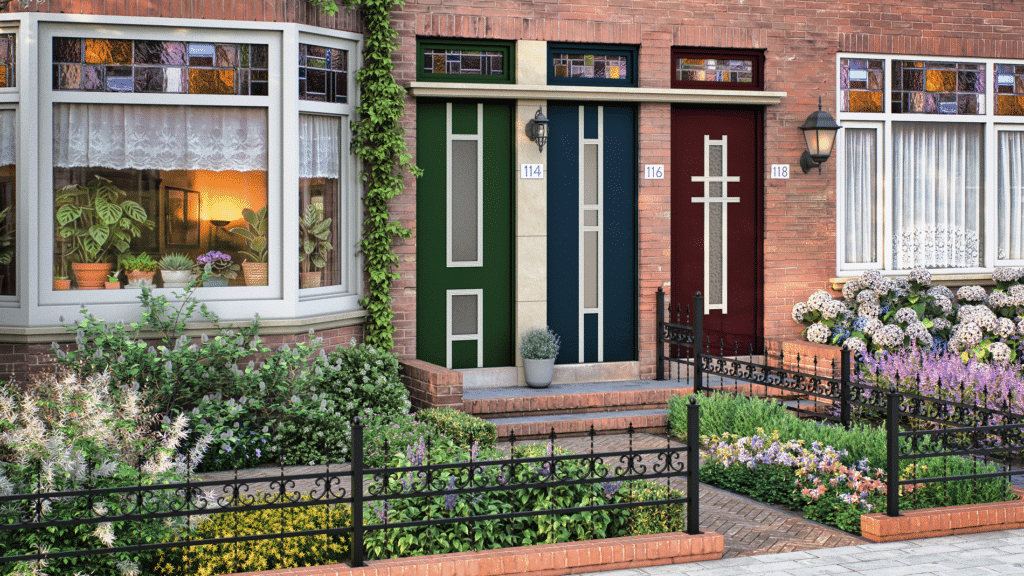
Anyone renovating a home looks at the big picture: windows, facades, and roofs, but also a front door that catches the eye. At Frager, this served as the basis for a new collection of door panels, inspired by the interwar-era home, one of the most recognizable housing types in the Netherlands. The country has millions of homes built in the first half of the twentieth century. These are now undergoing extensive renovations, but it’s often difficult to find a front door that is both technically modern and architecturally appropriate. Frager offers the solution.
For more than 40 years, Frager has specialized in the development and production of aluminum and PVC door panels. For the family-owned business based in Wielsbeke (Belgium), ‘investing in innovation’ is not just an empty phrase. They consistently respond to the latest trends and never shy away from any challenge to help their customers. The new collection of door panels, inspired by interwar-era homes, is yet another example of this.
In the past, the front door was often simply a purely functional element, but for Frager, it is an essential part of the architecture. Especially in older homes, that door contributes to the identity of the facade.
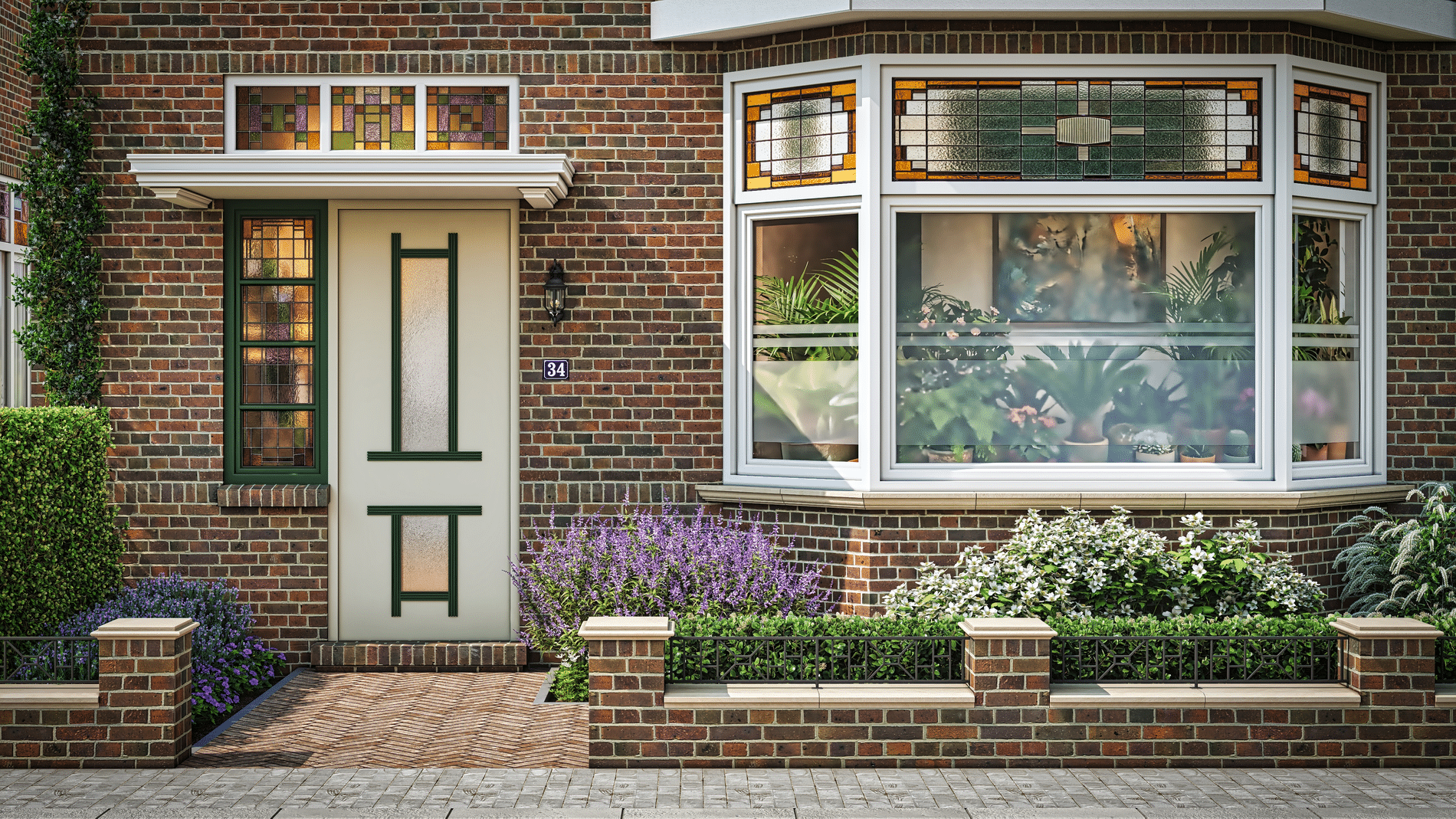
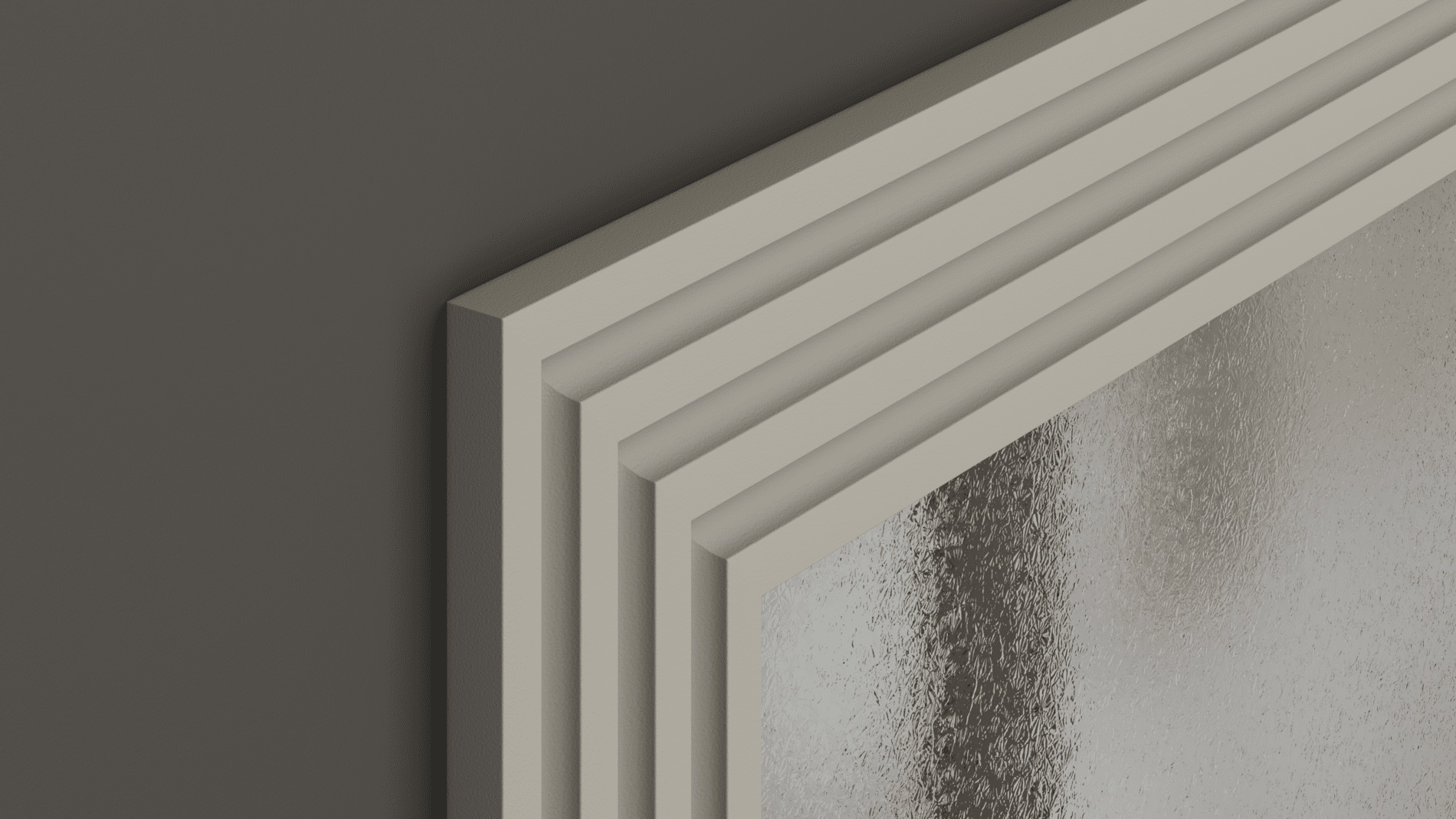
“A successful renovation enhances a home’s character rather than erasing it. That’s why we didn’t opt for a generic collection, but rather for designs that align with the architectural style of Dutch residential neighborhoods from the interwar period,” says Franck De Munster, architect and managing director of Frager. “We also didn’t set out to create a literal copy of the historic doors. Above all, we wanted to preserve the typical features and charm, but with the performance of a modern exterior door: that was the challenge. Distinctive panel divisions, reliefs, glass sections, and subtle detailing form the basis of the designs. At the same time, the door panels meet today’s requirements for insulation, durability, and ease of maintenance.”
This new collection from Frager comprises four models: Bakema, Berlage, Blom, and Dudok. Each offers a different interpretation of the rich history of Dutch design. The names refer to architects who played an important role in the development of Dutch residential architecture.
The launch comes at a time when the renovation market remains particularly active. In the Netherlands, in particular, homeowners are investing heavily to make their homes more energy-efficient, often tackling multiple aspects of the building at the same time.
“The demand for aesthetically thoughtful renovation solutions is on the rise. Whereas technical performance used to be the deciding factor, architecture and aesthetics are once again playing an important role,” says the business owner. “Owners want to improve their homes without losing their character. We’re seeing this need come up more and more often in conversations with architects, carpenters, and end customers.”
The first four models have been introduced, but the project is still far from complete. After all, Frager views this collection as the first chapter in a broader exploration of Dutch residential architecture.
“Every city and every neighborhood tells a different story. During our visits to Dutch municipalities, we continue to discover new facade details, door types, and architectural features. That provides plenty of inspiration for future developments,” De Munster notes. “With this collection, we want not only to meet a specific market demand but also to demonstrate that contemporary door panels can perfectly contribute to preserving architectural identity. A front door may seem like a small part of a home, but it often shapes the streetscape more than is apparent at first glance.”