Platform on window, door, frame technology, hardware, roof and facade technology, security
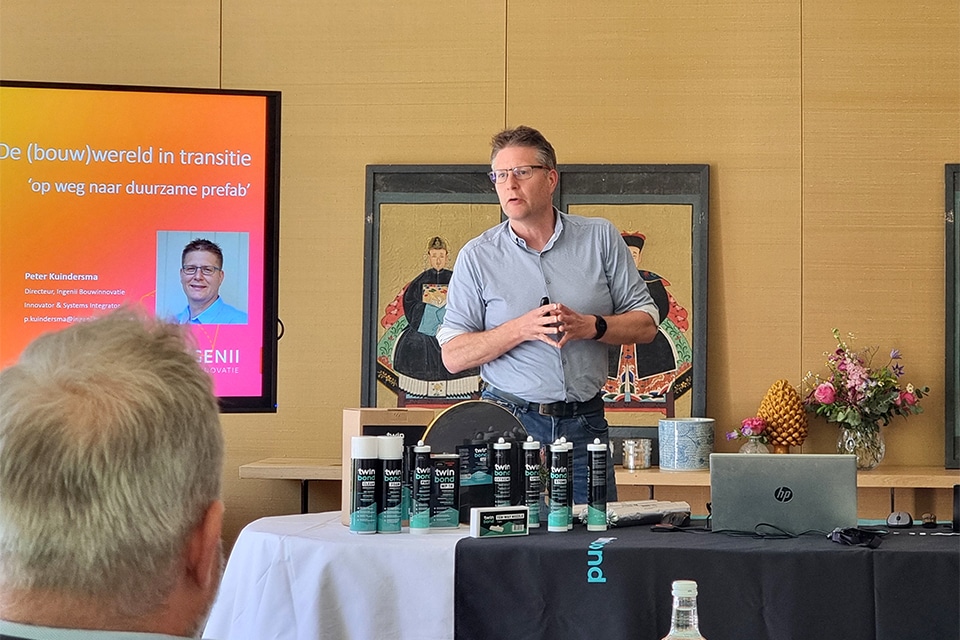
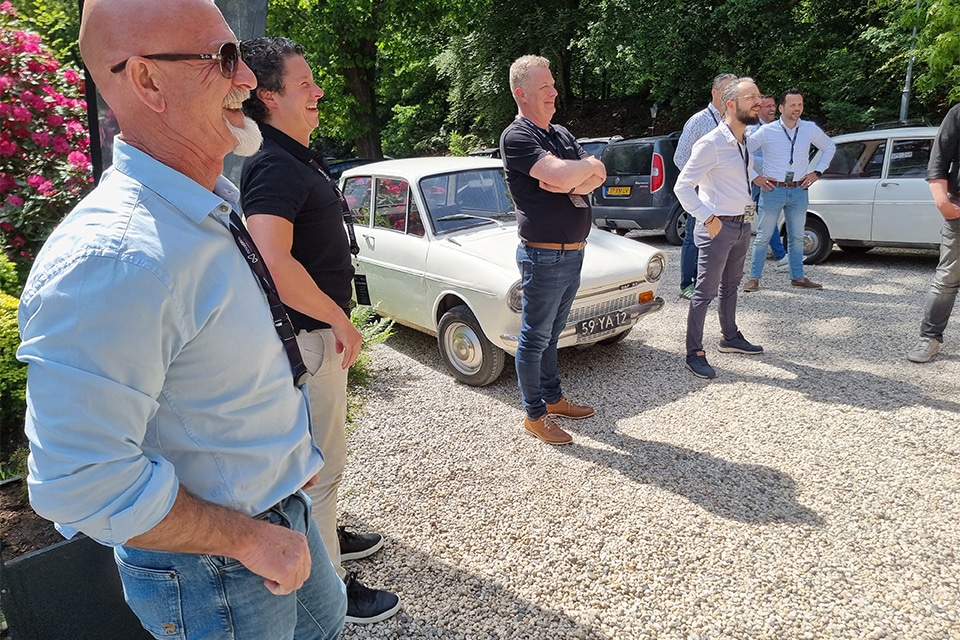
Innovation and adapting to market changes are things you do together with partners. “The same goes for challenges—you tackle those together, too,” says Geert Vanlommel, brand manager at Novatech, Twinbond’s parent company. During a partner event in Ermelo, innovator and expert Peter Kuindersma discussed the construction industry in transition; afterward, during a relaxed session, it was time to revisit an innovation from days gone by: the Variomatic.
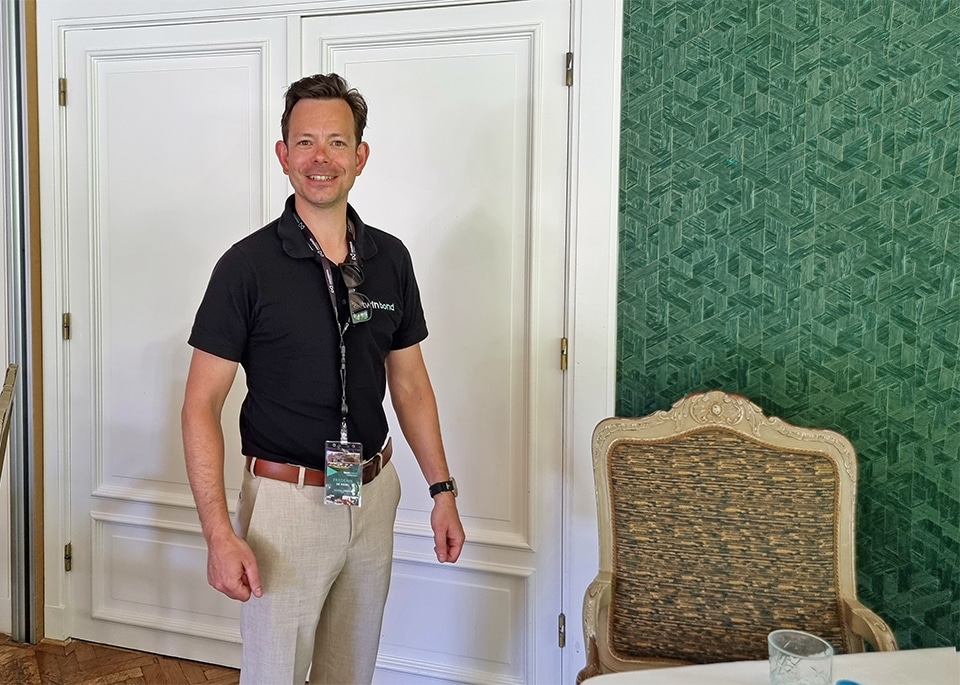
Novatech and Twinbond have been making a name for themselves in recent years, and their revenue is growing. The reason is simple: the company closely involves partners in the development of new products for the facade construction industry, among others. In addition, Twinbond, for example, doesn’t just focus on large markets and standardized products; it also dares to invest time and money in products for smaller segments of the market. That’s something that retailers and users on construction sites appreciate. Business Development Manager Frederik De Kegel: “The entire market is looking for a shift; change is desired, and that requires close collaboration with construction sites, manufacturers, architects, and the trade. That’s exactly what we want, and that’s why we’re organizing this partner event.”.
”That's how we stay in touch with the market."
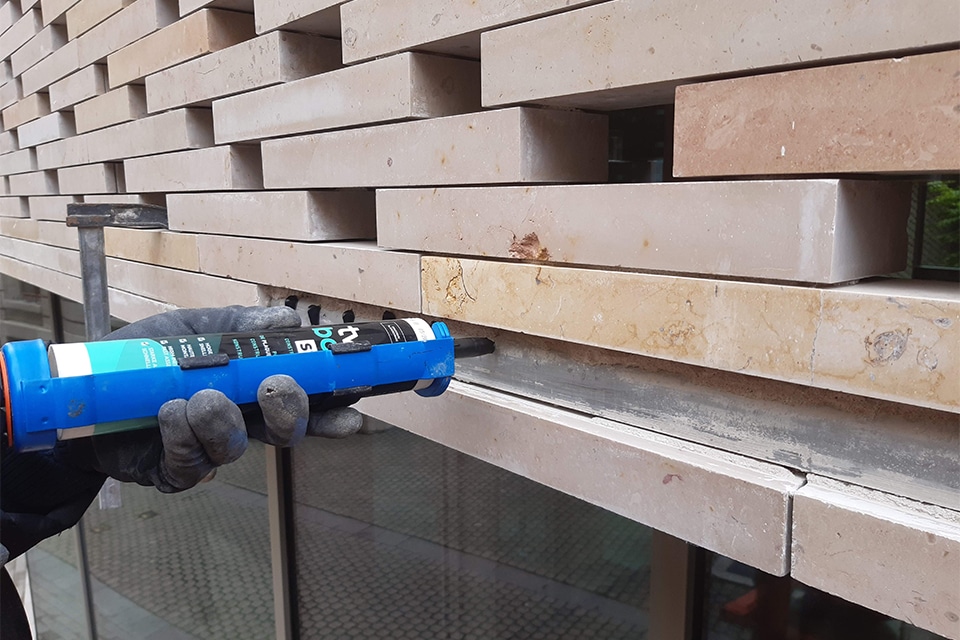
The ‘shift’ De Kegel is referring to has several components. The construction sector must become more sustainable and scale up—the latter certainly in the Netherlands. That requires working smarter and more efficiently. High-quality products, such as Twinbond’s specialized adhesive systems, are part of that. The same applies to user support. “We’re one of the first brands to include a QR code on our packaging. We link this to, among other things, videos about the product and how it works.”
Expert Kuindersma notes that the shift De Kegel is referring to does present a challenge. “The one thing that is certain in the construction industry—including facade construction—is uncertainty. I also see that the roles of players in the construction supply chain are changing, and that calls for collaboration.”
The increasingly stringent sustainability requirements are a source of uncertainty: “At some point, a product will be returned to the owner. In that case, you have to be able to remove a product—such as a facade panel. This will receive more attention, but it also requires collaboration. So it makes sense to involve more stakeholders in the discussion about a product. That’s the only way to find out what customers want. The same applies to coordinating projects that fall under prefabricated, modular, and industrial construction.” Each construction method requires a different approach and, consequently, specific techniques, such as those for bonding products.
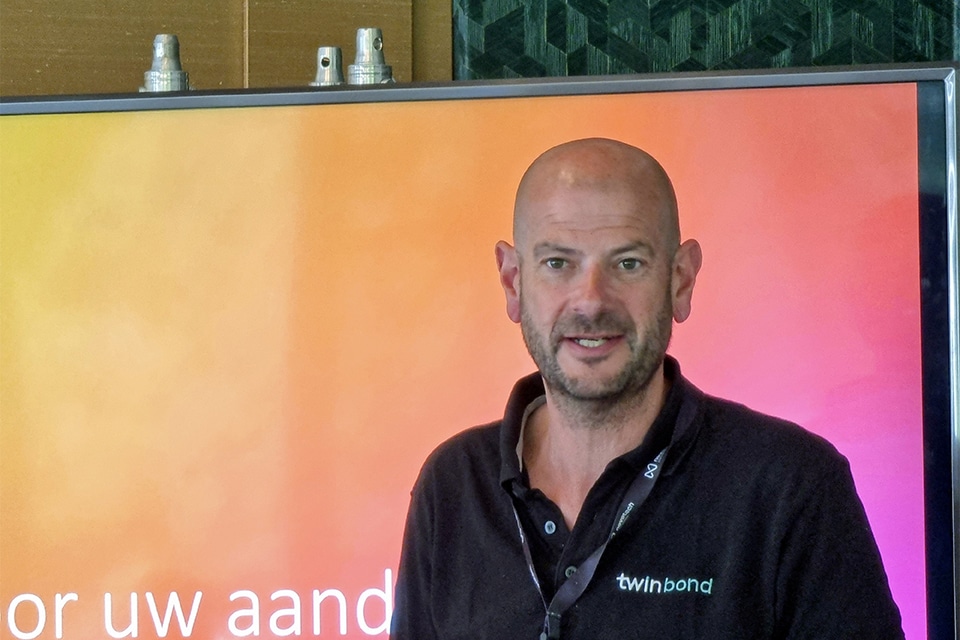
What Kuindersma emphasizes most during his presentation is the changing role of parties in the supply chain. “So take a look at your role as a supplier, distributor, or user, and consider who you want to collaborate with.” That collaboration is exactly what Twinbond is focused on. Klaas Jochems, Sales Manager for the Benelux: “We want to engage in an active dialogue with partners—with an international focus, but working with local partners everywhere.” And in that regard, the focus is strongly on joint innovation, De Kegel notes: “With a view to working faster, we have high expectations for a new product designed for bonding brick slips. More details on that will be released soon. This is just one example, as there is much more innovation in the pipeline.”