Platform on window, door, frame technology, hardware, roof and facade technology, security
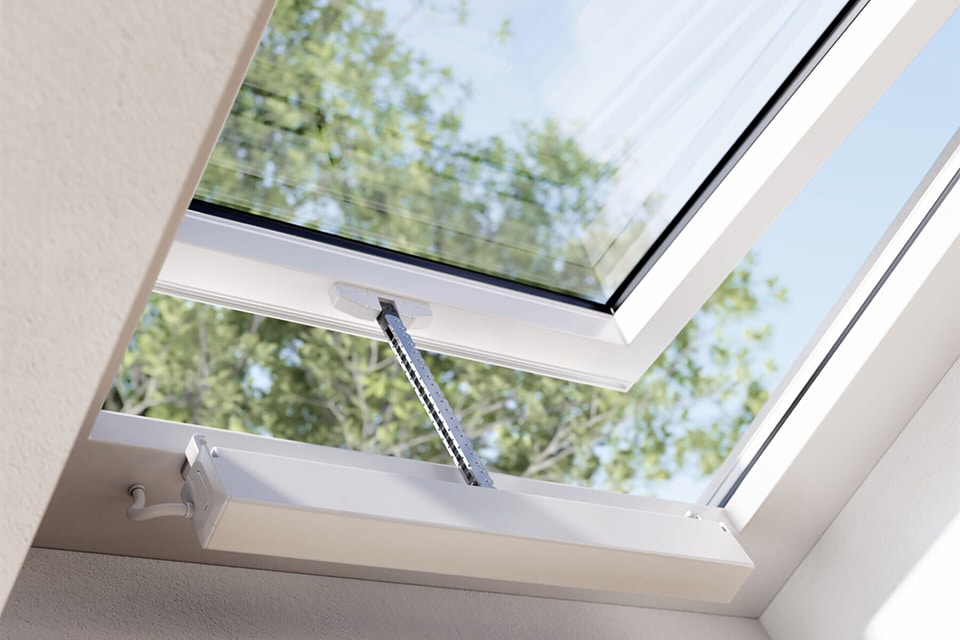
During the Polyclose trade fair, one show model at Teleflex BV of Tiel's stand was the focus of attention: Sirius. Operations manager Jesse Verheem explains how this innovative product fits perfectly within a broader expertise in window automation and natural ventilation.
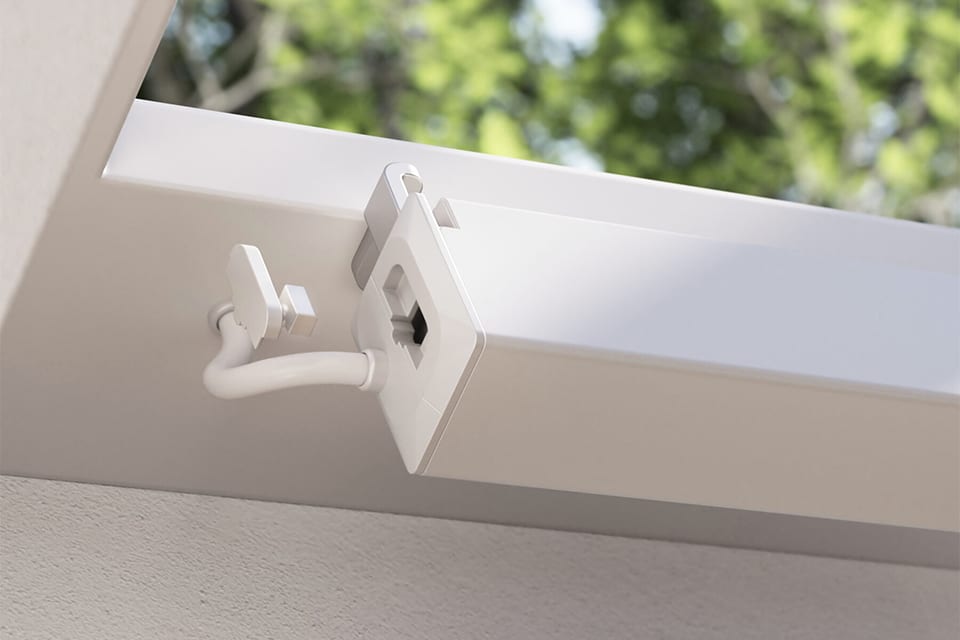
According to Verheem, the strength of the compact Sirius electric window opener lies mainly in its slim design and invisible mounting. The mounting brackets disappear completely into the housing, leaving no protruding parts visible on the frame. “That's a marked difference from many traditional electric window openers,” Verheem said.
An important technical feature of Sirius is the adjustable chain stroke. The window opener can be set to different opening strokes, from about 130 mm to a maximum of 400 mm. “That makes it possible to precisely adjust the ventilation to the application,” Verheem explains. “In some situations a limited gap is sufficient, while in other cases a larger opening is desired.” The double link chain delivers a force of 300 N and is electronically monitored. The closing position does not have to be adjusted manually; it is controlled by an electronic limit switch. The electronics also intervene in the event of an overload. “This increases both ease of use and reliability,” says Verheem.
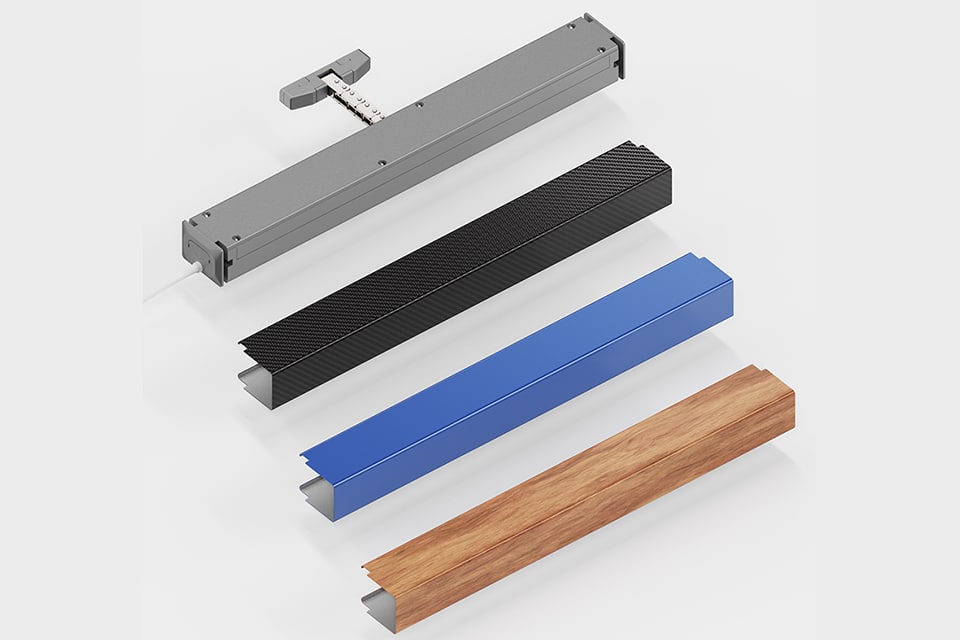
What sets Sirius extra apart is the level of personalization. Aluminum cover caps are available for this model that can be sprayed in any color. “Whereas window openers are traditionally limited to white, black or gray, here you can really go with the design of the frame or interior,” says Verheem. “Think bronze, dark blue or a specific RAL color. That makes it easier to visually integrate the opener into the frame or interior.”
Although Sirius is the newest model within the range, Verheem says it does not stand alone. “We always look at practical application. A product must fit within the total ventilation and control concept of a building.”
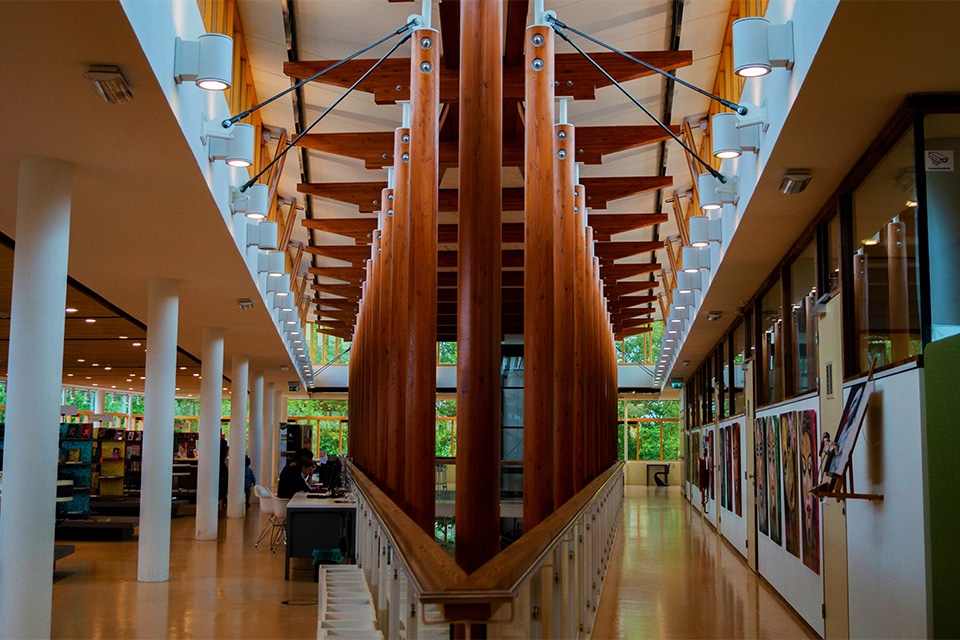
A good example is the library in IJsselstein. There, a few years ago, a renovation was carried out in which windows were motorized to improve the indoor climate. “The desire was simple: fresh air, without employees constantly having to operate windows manually,” Verheem says.
In this project, electric window openers from the ACK series were chosen, applied to tilt-and-turn windows on two facades. Operation is by radio, with separate channels for each facade. “That gave the library sufficient control, while the system can technically go much further,” says Verheem. “Integration with building management systems or sensors for wind and rain is easily possible.”
Thanks to the motorized windows, the library remained comfortable to use even on hot summer days. “Normally one had to close when indoor temperatures were high. Now the climate remained pleasant, purely through clever natural ventilation. The reaction of the library speaks volumes; they say they should have done this much earlier.”