Platform on window, door, frame technology, hardware, roof and facade technology, security
What was once intended to promote cooperation and quality has become a regulatory system without brakes: Europe produces regulations faster than construction can keep up. We all understand the intention behind European rules on safety, sustainability and a level playing field, but their practical implementation often backfires. “The accumulation of requirements, certifications and administrative obligations puts a brake on what should be accelerating: innovation, circularity and pace in construction,” says VKG's Albert Zegelaar. “While facade builders are desperately needed to realize the major climate and building challenges, that same sector is being trapped by a wall of regulations.”
One obvious example is CE marking - intended to create a level playing field in Europe and harmonize quality assurance. “A nice thought,” says Zegelaar. “But we in the Netherlands have been working for decades with KOMO - a system that goes much further and fits in perfectly with our practice.”
Yet a CE declaration (DOP) must be prepared for each individual frame. “This costs time, money and administration, while clients rarely ask for it and it is hardly ever enforced.” The complexity increases further when dealers themselves add glass and panels from other suppliers: legally, they are then considered ‘manufacturers. ’A father-and-son company that assembles window frames has to meet the same obligations as a multinational with a compliance officer. That cannot be sustained.“
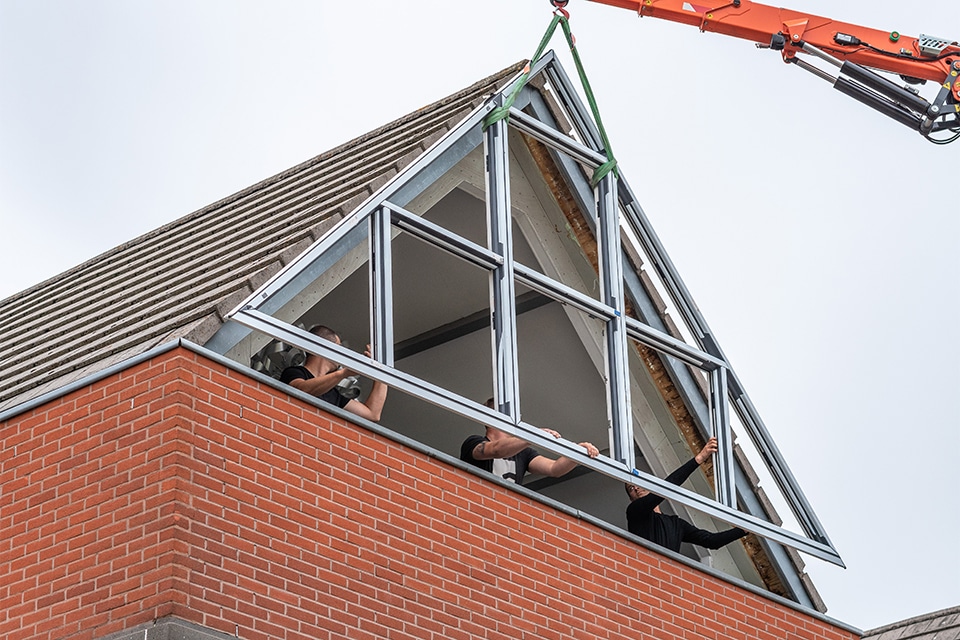
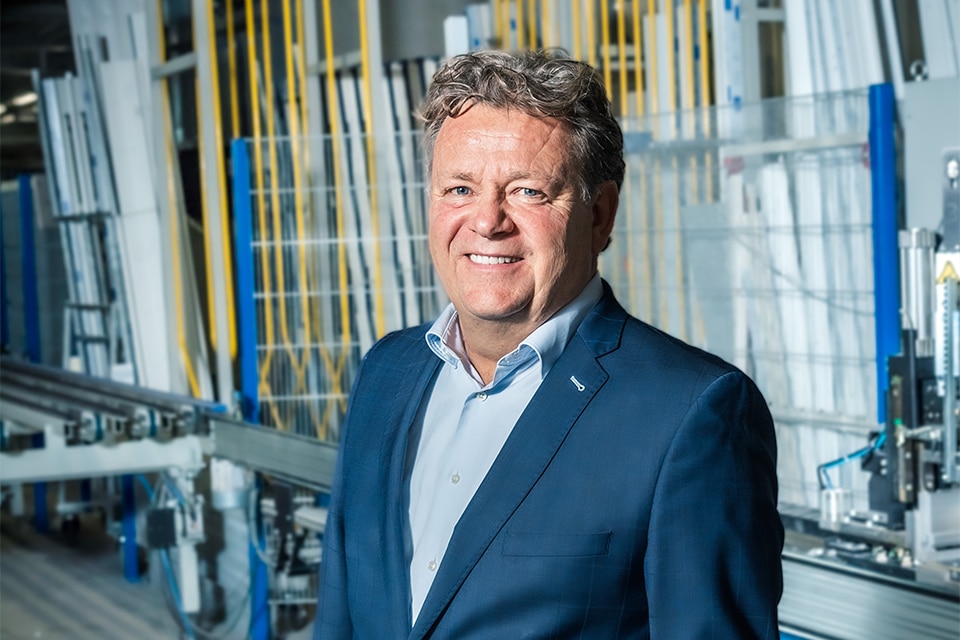
Policy also clashes with practice when it comes to circularity. In fact, the facade industry in the Netherlands is leading the way: by 2030, it aims to use an average of 50% of recycled PVC. Yet European legislation makes the transport of expanded window frames difficult, because they are officially considered ‘waste. ’Then you have to apply for permits to be able to work circularly, while often it doesn't even cross the border yet. Of course that doesn't make sense,“ Zegelaar said. Thanks to joint lobbying with European federations EPPA and Eurowindoor, an exception now applies until 2033. ”But actually that should go without saying. If Brussels really wants to encourage circularity, it should not hinder the people doing it.“
The summation of CE documentation, waste registrations and even keeping transport bucks as ‘packaging material’ creates ‘sustainability fatigue,’ according to Zegelaar. “Big companies put people in charge of it. SMEs just have to do it on the side - in a market that is already extremely busy. Then support disappears, while the willingness to become more sustainable is there.”
Another bottleneck is the distance between European regulations and national practice. Where Brussels wants uniform guidelines, conditions vary greatly from country to country. “What works well here may turn out differently in Germany - let alone southern Europe,” says Zegelaar. “Yet we all get lumped together.” The result: adaptations that look nice on paper, but in implementation often contribute little to better buildings or viable practice.
According to Zegelaar, the solution does not have to be so complicated: test new rules for feasibility and utilize what is already working. “KOMO is a mature quality system, developed with the industry. Why push that away with another layer on top?” For Zegelaar, it is clear: “We agree with the goals, but not with the road towards them. Give space to national systems and rules of the game - especially when they are already sufficient, or even beyond. Look at workability, proportionality, and work with the sector on less paper and more practice - that's what will improve facade construction.”
Neem dan rechtstreeks contact op met VKG - Vereniging Kunststof Gevelelementenindustrie.
 Contact opnemen
VKG - Vereniging Kunststof Gevelelementenindustrie - is the trade association for plastic window frames. We stand for valuable chain cooperation on behalf of circularity and sustainable quality. Our quality requirements for plastic window frames go beyond the European legislation. When a manufacturer or supplier meets the high standards, the VKG quality mark may be used. With this [...]
Bekijk Bedrijfsprofiel