Platform on window, door, frame technology, hardware, roof and facade technology, security
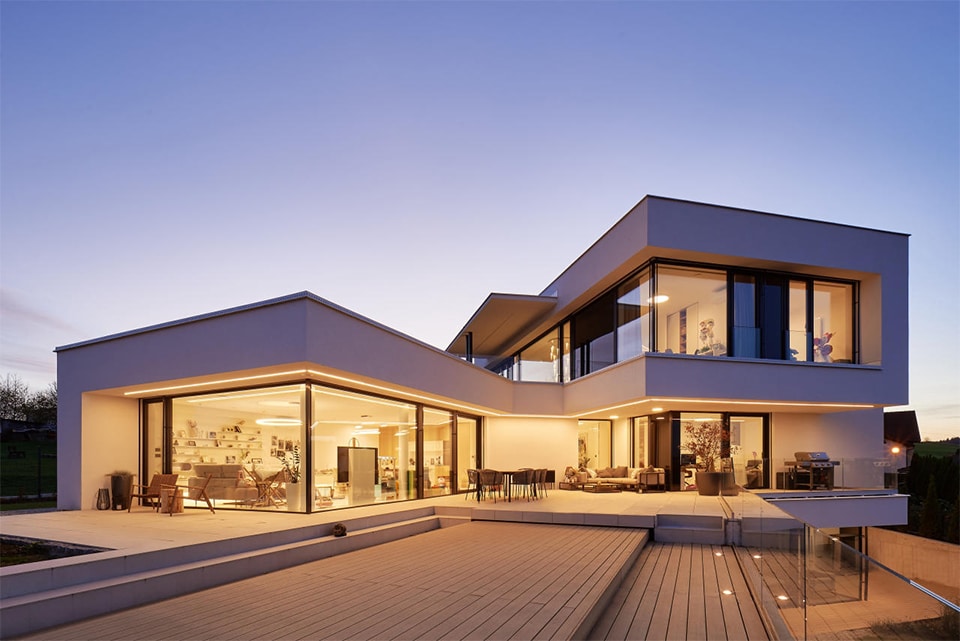
The construction sector accounts for approximately 34% of global CO2 emissions, and a significant portion of this footprint consists of building materials. Although emissions from the production of aluminum window frames represent only a fraction of the sector's total impact, this is precisely where there is enormous potential for innovation. The use of low-carbon technologies, such as Ultra Low Carbon Aluminum (ULCA), makes it possible to significantly reduce emissions already in the production of profiles, thus supporting the development of sustainable architecture.
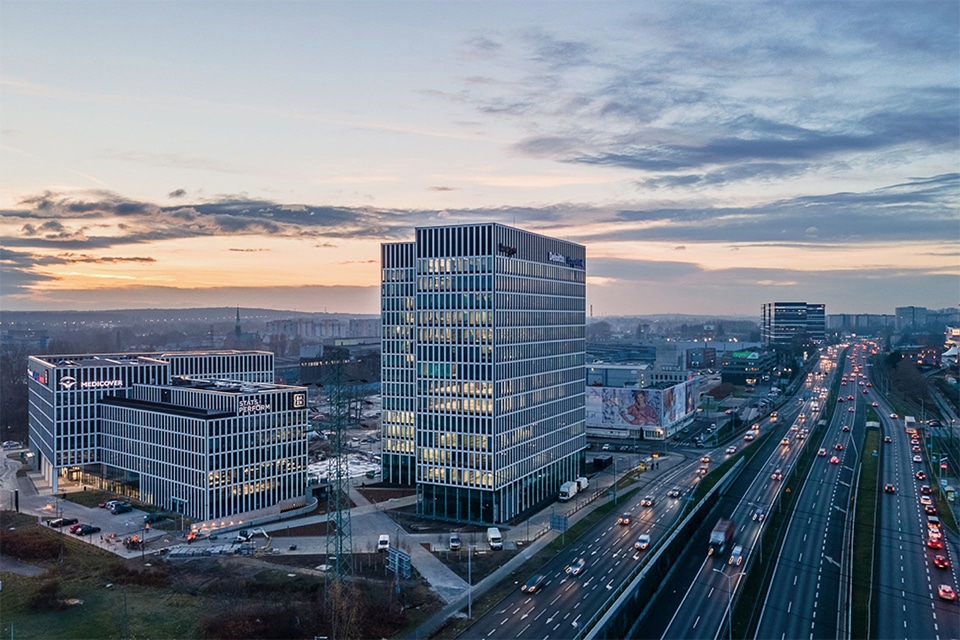
Traditional production is an energy-intensive industrial process that generates significant greenhouse gas emissions. In light of climate challenges, this sector is undergoing a dynamic transformation, shifting towards highly sustainable solutions. The main technological innovations focus on three key areas:
Aluprof is one of the leaders of this transformation and brings innovative low-emission solutions to the market. One example of this is our Ultra Low Carbon Aluminum (ULCA) bars. These have emissions of just 1.24 kg CO₂e per kilogram of aluminum profiles, while the standard value for conventional bars is 5.7 kg CO₂e/kg. This significant reduction is due to the fact that no less than 85% of the aluminum used comes from recycled aluminum (post-consumer scrap).
Aluprof also offers Low Carbon rods, with emissions of 2.9 kg CO₂e/kg and a 65% share of recycled aluminum. By comparison, the average carbon footprint of aluminum rods in the EU is currently 6.7 kg CO2e/kg. With modern selective recycling technologies and advanced production methods, not only can the so-called internal carbon footprint be reduced, but—through the use of high-quality aluminum in facade systems—operational energy consumption can also be significantly reduced.
Contemporary aluminum windows and doors play a key role in reducing energy requirements. This not only translates into lower operating costs but also, and more importantly, into a reduction in greenhouse gases. Thanks to their high-quality thermal insulation, these types of solutions are an important aspect of sustainable architectural designs.
When selecting aluminum systems, attention must be paid to their environmental impact. This impact is confirmed by international certificates.
Aluprof offers a range of solutions that meet the highest standards of energy efficiency, as confirmed by Passivhaus and Cradle-to-Cradle certificates, among others, according to Emmanuel Gregoire, Managing Director at Aluprof Belgium NV.
An example of actively supporting emission reduction is the MB-86N window-door system, with a heat transfer coefficient Uw of 0.62 W/(m²K). That is one of the best results in our entire range! Furthermore, the MB-86B system, which was developed specifically for the Belgian market, and the ATG certificate from the Belgian research institute UBAtc fully comply with local energy efficiency standards.
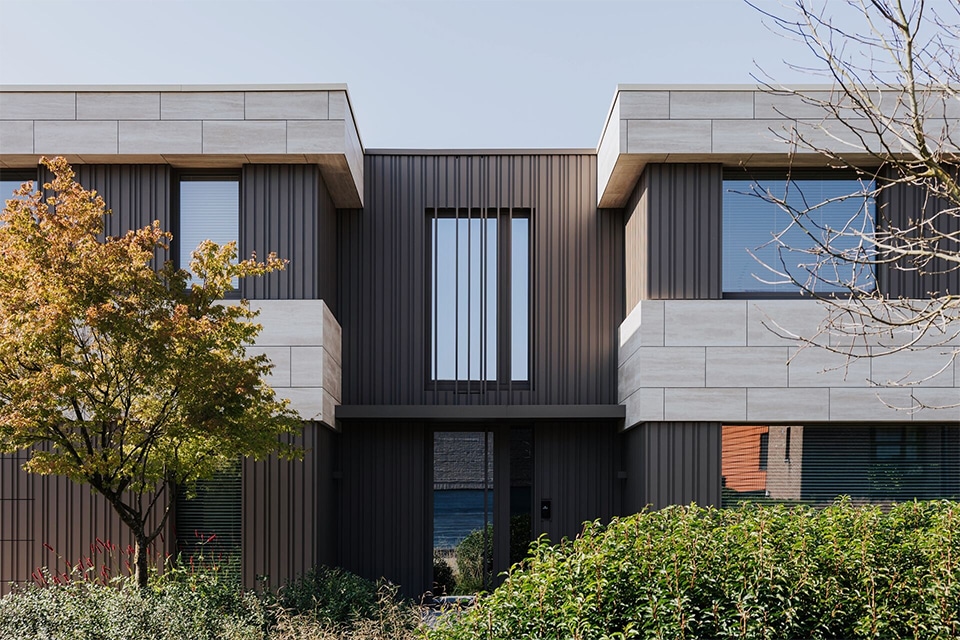
In the context of ecological architecture, MB-86N Pivot Door swing doors should also be considered. Their innovative structure combines advanced technology with expressive aesthetics, offering you not only excellent thermal parameters but also the opportunity to create a representative entrance to your building. In this way, the architectural aspect becomes an integral part of your energy efficiency strategy.
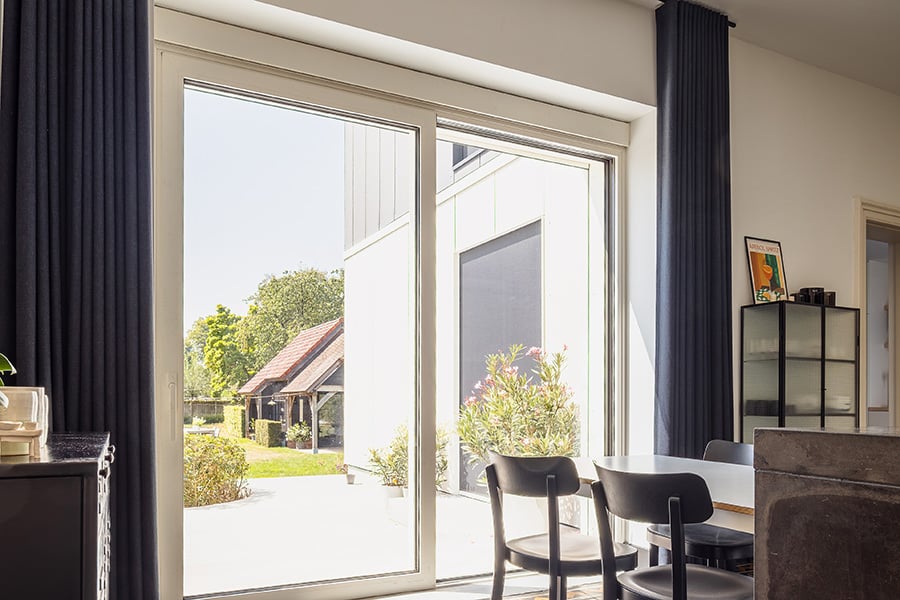
Another contemporary solution is provided by our MB-SKYLINE Type R terrace sliding doors. The concealed frame, the so-called zero mullion, and the possibility of creating impressive structures—with a sash height of up to 4 meters and a weight of up to 1200 kg—not only offer you a great deal of design freedom but also perfect tightness and insulation. In addition, the system can be integrated with SkyFlow blinds, which effectively limit indoor heating in summer and support passive cooling.
Sun protection systems such as SkyFlow blinds or SkyRoll screens also play a key role in architectural energy management. By limiting direct sunlight, you can enjoy thermal comfort without intensive use of air conditioning in the summer, while still ensuring the influx of natural daylight. In the long term, this translates into a significant reduction in the operational carbon footprint.
In Belgium—as in the entire European Union—demand for building materials with a low carbon footprint is growing. The new generation of aluminum window and door frames, based on innovative Aluprof systems, not only makes it possible to meet strict environmental standards, but also significantly reduces the operating costs of buildings. It is a solution that combines energy efficiency with long-term economic viability.
Neem dan rechtstreeks contact op met Aluprof.
 Contact opnemen
Aluprof is one of the larger European manufacturers of architectural aluminum products and systems for both commercial and individual construction industries. Company's extensive product portfolio includes entrances, frame systems, window and curtain wall systems together with rolls of shutters and garage doors. Currently we have a fully automatic high capacity powder coating workshop equipped with a powder spray chamber [...].
Bekijk Bedrijfsprofiel