Platform on window, door, frame technology, hardware, roof and facade technology, security
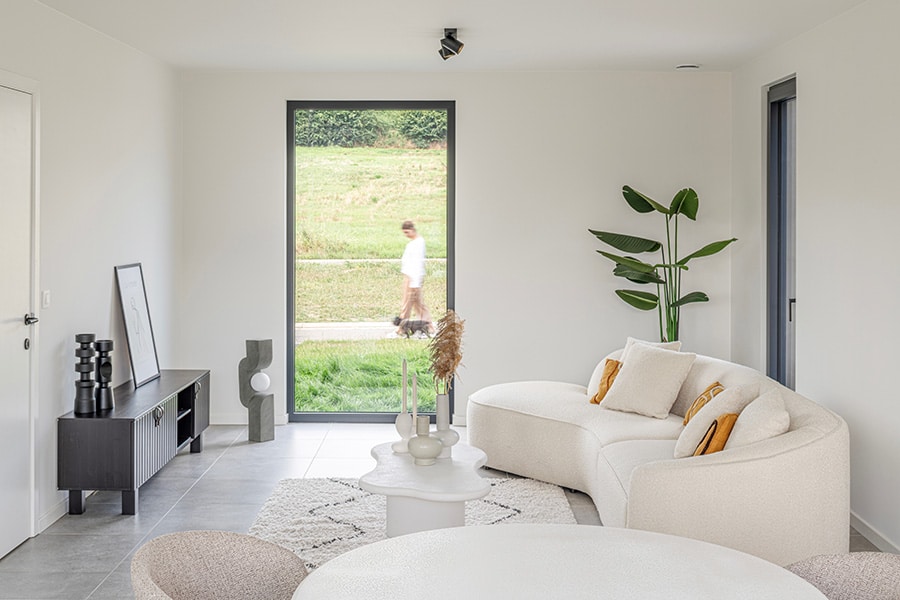
For those active in windows, doors, and facade technology, sustainability only becomes truly relevant when material flows are closed, performance remains consistent, and aesthetics evolve.
Deceuninck reinforces these ambitions with a two-pronged approach: innovative product ranges that tangibly reduce climate impact, and a circular chain that reuses raw materials. In this way, the sector demonstrates that circularity and design go hand in hand!
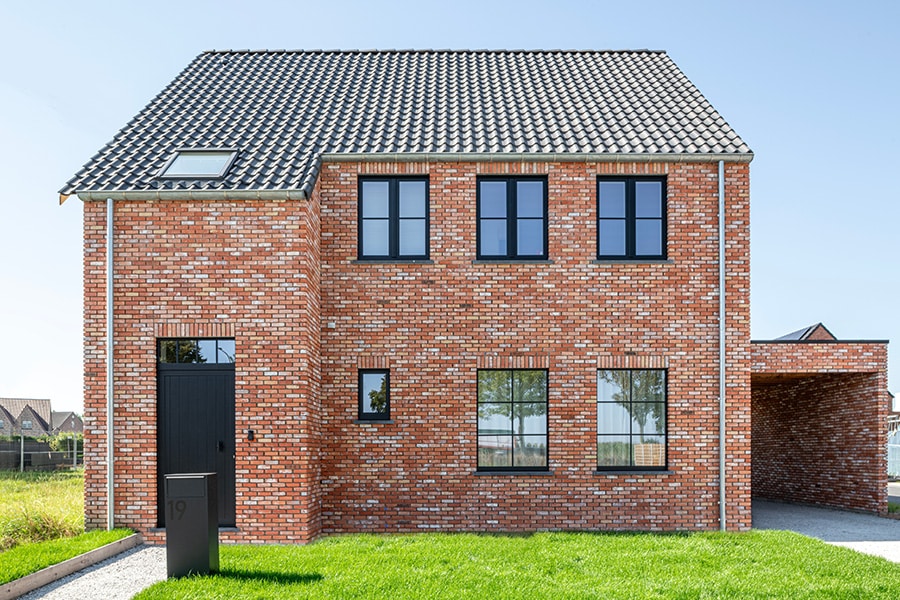
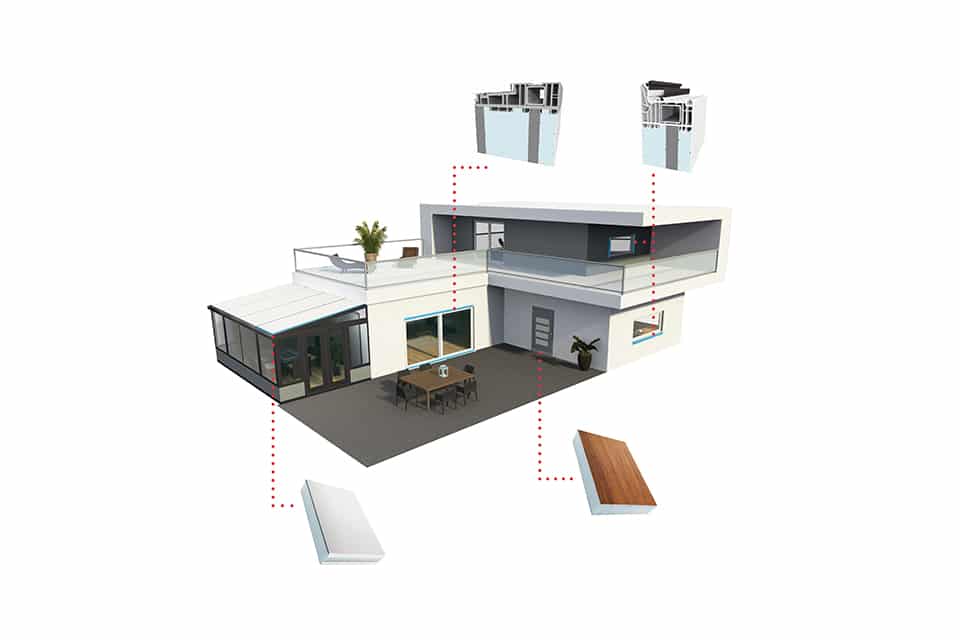
The first step in that story is Elegant: a profile series that combines technology, energy performance, and sleek design. With its minimalist lines and straight shapes, Elegant responds to contemporary architecture. Innovations such as Forthex (recycled PVC hard foam with steel wire) replace traditional steel reinforcement in the frame, while ThermoFibra with integrated glass fiber strands fulfills the same role in the sash. The result: lighter windows with high rigidity, Uf values from 0.85 W/m²K and a noticeably lower CO₂ footprint. For a standard tilt-and-turn window, this results in a reduction of up to 26.9% through recycled material; Forthex reduces emissions by a further 85.7% per meter of frame profile. If you choose a ThermoFibra sash instead of a steel-reinforced sash, emissions are reduced by 17.6%.
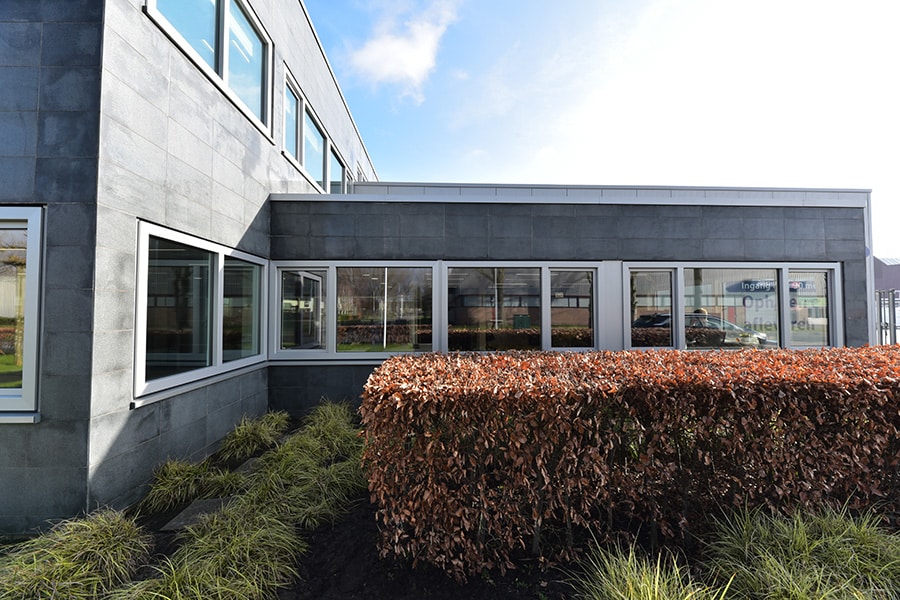
Phoenix was developed based on Elegant, a profile series that goes one step further. While Elegant already contains recycled material in its core, Phoenix also uses recycled plastic in its outer layer. This means that this range of window and door profiles consists entirely of recycled material.
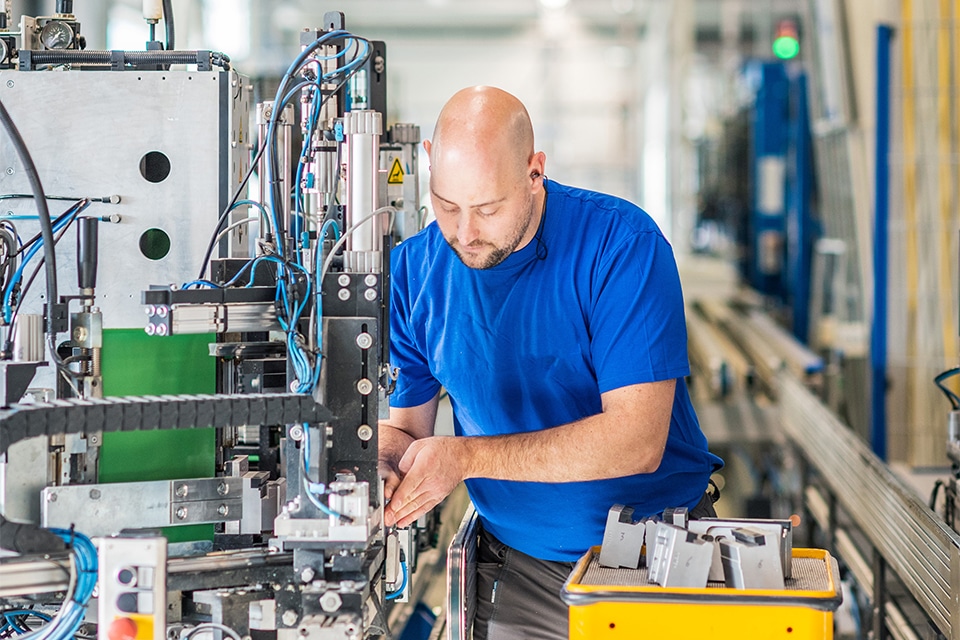
All this is possible thanks to the state-of-the-art recycling plant in Diksmuide. Old joinery is delivered there, sorted, and converted into high-quality raw material. In 2018, capacity was quadrupled to 40,000 tons per year. Thanks to this process, millions of windows can be kept out of incineration or landfill, while production requires up to 90% less energy than new raw materials.
Sustainability does not stop at the extrusion line. Deceuninck operates a closed loop within 400 km: production, logistics, installation, and take-back are carried out regionally as much as possible. In 2024 alone, 22,000 tons of PVC waste were processed, avoiding 45,000 tons of CO₂ equivalents.
But circularity requires transparency. That is why Deceuninck works with independent certifications: EuCertPlast, the VinylPlus product label, and, since 2025, two RecyClass certificates. In addition, there are Kiwa covenants for 100% recycled plastic in window profiles and for circular entrepreneurship. For clients, this means verifiable claims and less risk in the chain.
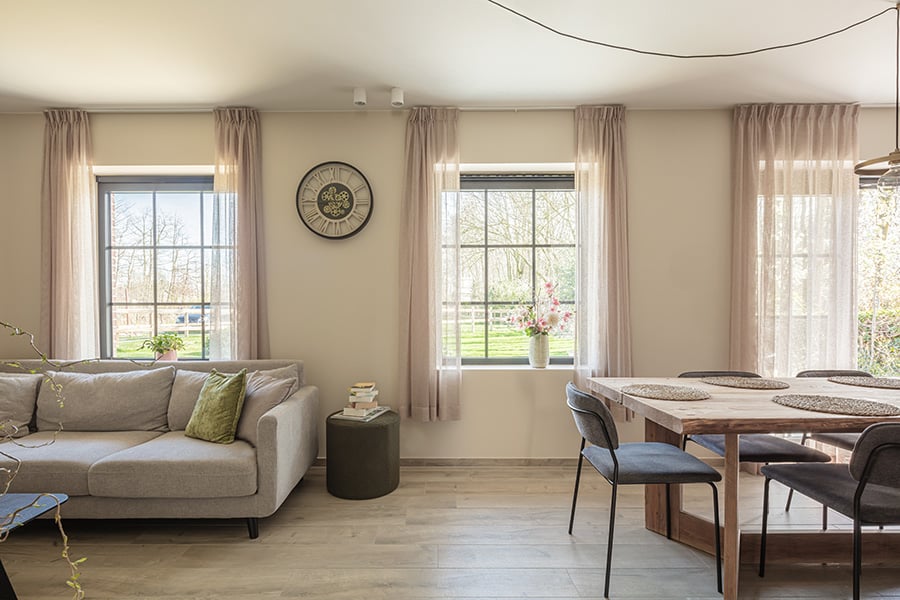
Phoenix and Elegant are available in more than 50 foil colors: from natural wood structures to solid and metallic finishes. Dirt-repellent, UV-resistant, and durable—Deceuninck circularity fits seamlessly into a wide variety of construction projects, from renovation to new construction.
Deceuninck is emphatically positioning itself as a leader in circular construction. By continuing to invest in recycling, collection, and closed chains, sustainability is no longer a separate ambition, but an integral part of business operations.
Fewer primary raw materials, lower CO₂ emissions, short supply chains, and proven performance: these are the pillars on which the future of façade technology rests. With Elegant and Phoenix, Deceuninck shows that circularity is not a distant dream, but everyday practice.
Neem dan rechtstreeks contact op met Deceuninck.
 Contact opnemen